If you’re a restaurant owner or executive you know that food is an experience—and your restaurant’s customer journey should be one too. Therefore understanding your business’s journey can be a great way to start refining and improving your overall customer experience (CX).
In this article we’ll examine the five-step customer journey in detail and identify some common challenges for restaurants at each point. Then we’ll share tips for mitigating those challenges—and even turning them into wins for your restaurant. Finally we’ll share the best way to objectively identify pain points and highlights of your customer journey: a restaurant CX evaluation program.
With that said it’s time to dig in!
The Importance of the Customer Journey for Restaurants
If you’ve been in business for any amount of time you’re likely somewhat familiar with a customer journey. This is the path that your customers take when they interact with your brand—and hopefully make a purchase.
However it’s critically important that restaurant owners and executives fully understand how a customer journey affects their operations. This allows them to see the full scope of what happens with their customers so they can identify potential issues and make the process as smooth—and profitable—as possible. For example nowadays 85% of restaurant-goers look up the website and menu online before they visit. Savvy restaurant operators understand this and thus they take strategic steps to invest in their online presence.
Truly the customer journey is about more than just the food—it’s the entire experience from finding your restaurant to walking out the door. So let’s take things step by step identifying common roadblocks and see how to improve the overall experience.
1 - Awareness: The Customer Journey Begins
So what’s on the menu tonight? The customer journey begins when someone starts a search and finds your restaurant.
Common Issues for Restaurants
Whether you’re starting a mom-and-pop diner or managing a chain of family-friendly establishments there are a few common challenges that can lead to missed opportunities in this stage:
- Outdated website and social media: A well-organized and mobile-optimized website is important as well as a professionally-maintained social media presence. It doesn’t have to be groundbreaking or feature viral content. But potential customers want to see that it’s current and provides a glimpse into the experience.
- Poor SEO: SEO or search engine optimization is the process of improving the ranking of your website in search engine results pages. If customers can’t find your restaurant when searching you’re missing out on business.
- Unclear or inconsistent messaging: Typically the biggest obstacle is misinformation. Even small typos can prevent people from enjoying your menu.
How to Improve
First make sure everything online is consistent professional-looking and appetizing. Next build a strong website and Google Business profile with on-brand photos reviews and keywords. Train staff to ask diners—particularly happy satisfied diners—to leave a comment online. Finally engage with people on social media. Simple frequent positive responses to feedback will suffice. Also consider local partnerships or ads.
2 - Consideration: Making a Decision
Once your restaurant comes up on a potential customer’s radar they have to decide whether they’ll give your food a try.
Common Issues for Restaurants
The most common challenges at this stage are closely connected to the previous one although deeper:
- Negative or outdated online reviews: Even if you have a slew of five-star ratings if they’re all a couple years old they might actually be counterproductive. On the other hand if you don’t have any negative reviews whatsoever that could also be a deterrent.
- Confusing or poorly-designed menus: When it comes to the food potential customers want to see that the menu is easy to understand consistent with a theme and has a good variety of options for various tastes and dietary needs. If the navigation experience is challenging they might dine elsewhere.
- Lack of special offers or incentives: Depending on the type of dining experience offered potential customers may find the occasional deal enticing. For example happy hours or coupons could sway them.
How to Improve
As for reviews make sure to continually request online feedback especially from satisfied diners. Furthermore respond promptly to those reviews both positive and negative and show commitment to improvement. This will drive more business than simply dismissing anything less than glowing. Additionally invest in high-quality photos and detailed accurate mobile-optimized menus on your website. Finally highlight unique selling points for your food like dietary options family-friendly amenities or special promotions as applicable.
3 - Arrival: Booking or Walk-In
Now that they’re hooked your potential customers are ready to eat. Depending on your specialty people may walk right in order out or make reservations online or over the phone. Notably this touchpoint on the customer journey involves more person-to-person interaction.
Common Issues for Restaurants
For customer arrival and interaction initiation there are a number of common obstacles that can be found:
- Outdated or cumbersome reservation systems: If the waiting process is clunky or challenging for potential customers they might assume that the food and service is also clunky and challenging. This could be a powerful deterrent even for people who have already come inside—so it’s a big deal.
- Poor signage or hard-to-find locations: If potential customers can’t easily find your restaurant they may stop trying. There are plenty of other places to eat that are more accessible.
- Long wait times with no clear communication: Things happen and sometimes long wait times are unavoidable. However even if you’re in the weeds guests expect clear communication so they can make the decision to stay—or take their chances elsewhere.
How to Improve
There are plenty of modern options to help improve the reservation process like OpenTable or Resy. Additionally train hosts and staff members to be welcoming and efficient even during peak times. Another novel communication strategy is to use SMS or apps to update waitlists and avoid frustration.
4 - Dining: The Main Course of the Customer Journey
Naturally this is the heart of the restaurant customer journey—the eating part.
Common Issues for Restaurants
There are many ideas out there about what the restaurant experience should be and these depend on what type of restaurant it is and the needs it serves. Although the specifics may vary these are the common issues any restaurant could encounter at this stage:
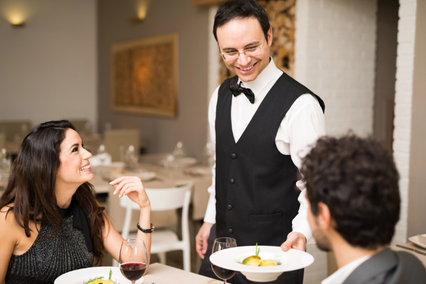
- Inconsistent service quality: Inattentive servers delays in responses and the general vibe of the staff will have a big impact on customer satisfaction. Even if the food is great they may think twice about returning if they have poor interactions.
- Problems with food quality presentation or dietary accommodations: Obviously food quality and presentation are huge factors. Simply put is it “good eats”—or not? Also if dietary needs are not adequately accommodated guests will often see this as a turn-off.
- Ambiance mismatching with expectations: Loud music poor lighting or a disconnect between price point and quality are things guests might consider negative aspects of their dining experience.
How to Improve
Firstly train staff regularly in compassionate customer service upselling and menu knowledge. Maintain high kitchen standards for consistency professionality and presentation. Again collecting customer feedback is a great resource for improving the customer journey. Provide comment cards or follow-up surveys whenever possible.
5 - Checkout: More than Just Desserts
Once the food has been eaten and guests are ready to leave it’s time for them to pay the bill and leave your restaurant.
Common Issues for Restaurants
Issues similar with check-in can arise at this stage:
- Long delays: The time it takes for guests to receive or pay their bill is an important factor. If it takes an unexpectedly long time they may question whether their information is being properly protected during the transaction—or frustrated leave without paying.
- Acknowledgement from staff: All guests whether happy or otherwise expect a friendly goodbye from staff. Even if it’s busy they want a quick thanks or at the very least a wave off.
- No follow-up opportunities: Although satisfaction is the best way to get guests coming back they often expect follow-ups from the restaurant such as loyalty programs or social media engagement. Dismissing this expectation constitutes a missed opportunity for earning more business.
How to Improve
Invest in modern payment solutions like tableside payments or reputable mobile apps and train staff to deal with common issues to avoid delays. Another training solution is to encourage hosts and wait staff to thank guests personally for their patronage check in with their satisfaction levels and invite them to return. Finally take advantage of follow-up opportunities. Encourage customers to join your mailing list for coupons for example or follow you on social media for updates.
The Return: Turn New Customers into Regulars
Hopefully at this point your restaurant customer journey isn’t over. Obviously you want your guests to return for more—and optimally become brand ambassadors who share their positive experience with others. This is the easiest way to encourage repeat business.
Common Opportunities for Restaurants
There are a few key areas at this stage that can optimize your customer journey and take advantage of hot leads:
- Create loyalty programs: People love to earn points especially from a place they’re already committed to purchasing from again. Gamify the experience and provide rewards for repeat business.
- Use branded email campaigns: In today’s digitized world guests expect to exchange email addresses with businesses. Capitalize on that by sending engaging well-branded emails that provide value for readers and keep your restaurant top-of-mind.
- Ask for digital feedback: Encourage guests to leave reviews or tag your restaurant on social media. This back-and-forth fosters a strong relationship and improves customer loyalty.
- Share user-generated content: When you receive great content from your guests ask them if you can share it with others—and then spread the word. This social proof will encourage new customers and make your restaurant look more reputable.
- Promote special events and seasonal discounts: Create some well-strategized deals for your customers. Then leverage your other touchpoints and communications to spread the word.
These are proven strategies for encouraging more repeat business. By thinking of this as an extension of your customer journey you can optimize the work you’ve already done and keep people coming back for more.
Ensure Your Customer Journey is a Savory Success
In this article we’ve shared a lot of general points about how insight into the customer journey can highlight your restaurant’s wins and struggles. However if you want specific insight into your business start a restaurant CX evaluation program through CustomerOptix’s CX on Demand.
Here are a few reasons why you should consider a mystery shop or CX evaluation from us:
- It’s insightful. Our trained mystery shoppers provide discerning expert feedback and reliable objective data.
- It’s easy. Our platform was designed with busy restaurant owners and executives in mind. Set up and manage a CX evaluation program in about 10 minutes.
- It’s affordable. Get high-quality CX analysis with no long-term contract. Customize your program to meet your current needs and goals.
See how it works and partner with us today to start seeing your restaurant reach its full potential.
A Delicious Customer Journey from Start to Finish
Improving your restaurant’s customer journey is about more than delivering great food. It’s about creating a seamless satisfying experience that begins with a search and continues long after guests leave. By addressing common challenges and implementing strategies like the ones we’ve shared you can turn first-time visitors into loyal patrons and even brand advocates.
Ready to take the next step? Start a restaurant CX evaluation program through CustomerOptix to get the insights you need to fine-tune your unique customer journey. With the right tools and mindset you’ll make every visit memorable and delicious—for all the right reasons.
Subscribe to the Buzz
Receive exclusive insights, tips, and customer experience strategies straight to your inbox.
.png)